

Havasu Nat’l Wildlife Refuge temporarily closed for feral swine eradication

Share
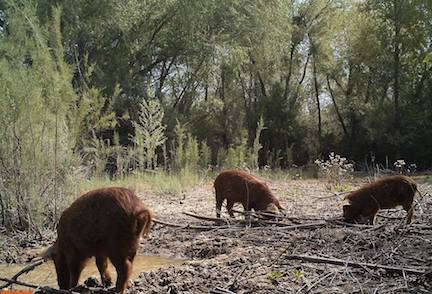
LAKE HAVASU CITY – The U.S. Fish and Wildlife Service will be implementing a temporary closure of portions of Havasu National Wildlife Refuge during feral swine aerial eradication efforts. However, the Colorado River will not be closed during eradication efforts. The closures will be effective on most refuge lands, Sept. 20 – Sept. 24.
Topock Marsh will be closed Monday to Thursday (including Catfish Paradise, North and South Dikes, Pintail Slough, Five-mile Landing, and Bermuda Field Observation Tower) for public safety. Areas within Topock Gorge may briefly have traffic routed to the western side of the river while aerial operations are in progress. Mesquite Bay may be closed intermittently while ground operations are underway. Service staff will be present during these short time periods to maintain a safety perimeter.
This is the ninth aerial operation to eradicate feral swine from the Refuge. Swine are known to pose a human health risk due to diseases they may carry. The effort is being conducted by the Service and U.S. Department of Agriculture, Animal Plant Health Inspection Service, Wildlife Services (USDA-APHIS-WS). The eradication plan and environmental assessment were developed as part of a national priority to eliminate or reduce the risks and damages inflicted by feral swine to agriculture, natural resources, property, and human health.
The mission of the U.S. Fish and Wildlife Service is working with others to conserve, protect, and enhance fish, wildlife, plants, and their habitats for the continuing benefit of the American people. We are both a leader and trusted partner in fish and wildlife conservation, known for our scientific excellence, stewardship of lands and natural resources, dedicated professionals, and commitment to public service.
For more information on our work and the people who make it happen, visit www.fws.gov. Connect with our Facebook page at www.facebook.com/usfws, follow our tweets at www.twitter.com/usfwshq, watch our YouTube Channel at http://www.youtube.com/usfws and download photos from our Flickr page at http://www.flickr.com/photos/usfwshq